EN
EN  ja
ja  ko
ko  fr
fr  de
de  es
es  it
it  ru
ru  pt
pt  ar
ar  tr
tr  th
th  da
da  fa
fa  pl
pl  ro
ro  hu
hu  el
el  af
af 






Aging is a progressive decline in physiological function associated with advancing age and is a major risk factor for the development of numerous chronic diseases. As the global population continues to age and the prevalence of age-related diseases rises, healthy aging has become a major challenge worldwide. The latest research on hyperbaric oxygen therapy focuses on the current challenges in geriatric medicine and explores its potential as a novel clinical approach to slowing age-related physiological decline.
Against the backdrop of rapidly accelerating population aging, how to effectively delay immune aging and reduce the burden of age-related diseases has become a central challenge in the field of aging medicine. This latest study on hyperbaric oxygen therapy is a prospective study conducted jointly by Canta Medical and China Medical University, entitled "Hyperbaric Oxygen Therapy Modulates Immune Aging in a Personalized Manner: A Linear Mixed-Effects Analysis", and was published in Immunity & Ageing, a leading journal specializing in the field of immunology and aging under Springer Nature. The study further confirmed that HBOT may exert systemic anti-aging effects by promoting telomere elongation, reducing senescent T cells, and modulating inflammation.
The Basic Mechanisms of Hyperbaric Oxygen Therapy
Hyperbaric oxygen therapy (HBOT) refers to a treatment in which patients breathe high concentrations of pure oxygen in an environment above normal atmospheric pressure, typically at 2–3 atmospheres absolute (ATA), thereby increasing oxygen levels in the blood and tissues. HBOT is one of the few interventions that has been shown to potentially reverse certain markers of immune aging. During treatment, patients are intermittently exposed to 100% oxygen under hyperbaric conditions. HBOT was initially used to treat wound healing, ischemic injuries, and decompression sickness. Over time, a growing body of evidence has expanded its potential applications, particularly in the fields of aging and age-related pathologies.

Key Findings from the Latest Research on HBOT
A total of 136 participants were recruited for this latest study on hyperbaric oxygen therapy, of whom 100 adults aged 20-79 years were included in the final analysis. Participants underwent a standardized HBOT protocol consisting of 30 treatment sessions. Linear mixed-effects models (LMMs) were used to systematically evaluate longitudinal changes in telomere length, senescent T-cell subsets (CD4+/CD8+ percentages), and cytokine levels at different stages of the HBOT course: baseline, after 10 sessions, 20 sessions, and 30 sessions. The findings showed that HBOT was associated with a significant short-term increase in peripheral blood mononuclear cell (PBMC) telomere length, reaching a maximum increase of 29.0% following 30 treatment sessions (p<0.001, d=0.70). HBOT was also associated with a significant reduction in senescent T cells, particularly the CD28−CD8+ subset (p=0.018). Among participants aged 20-59 years, the proportion of CD28−CD8+ T cells decreased by 11.025% from baseline after 30 treatment sessions (p<0.001). The study also observed reductions in inflammatory cytokine levels, with the greatest reduction among male participants reaching 65%.
In addition, this latest study on hyperbaric oxygen therapy revealed that age, sex, and BMI may influence the immune response. Improvements in T-cell senescence were most pronounced among young and middle-aged adults (20-59 years), women, and individuals with a normal BMI (18.5-24). Inflammatory cytokine levels also decreased significantly among middle-aged participants and in male participants after 10 treatment sessions, suggesting the existence of distinct immune-metabolic windows of response. Importantly, the results challenge the traditional view that prolonged HBOT exposure is necessary to produce biological effects, indicating that even a relatively short course of HBOT may elicit systemic anti-aging responses in certain populations.
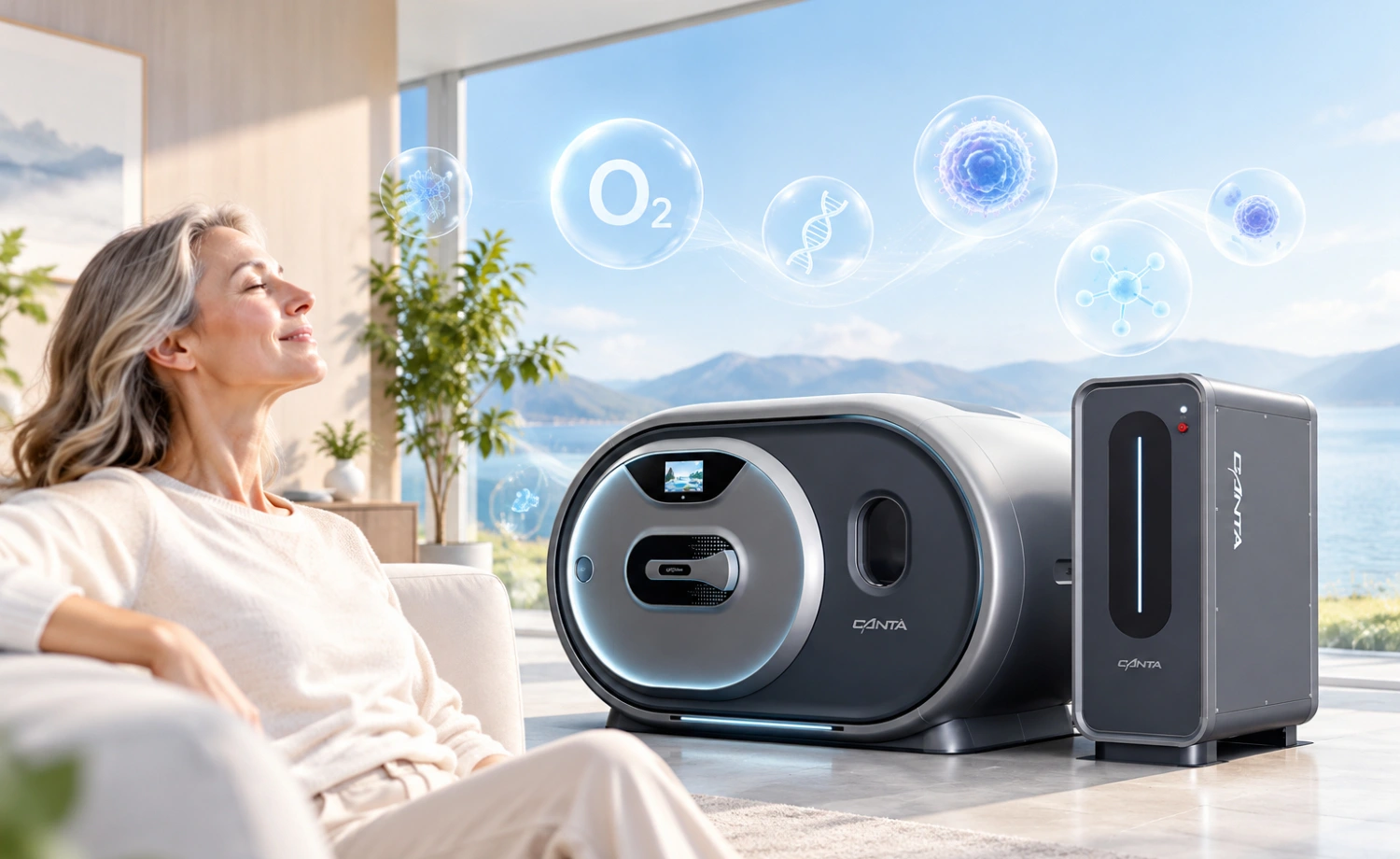
In summary, this study suggests that HBOT may become a key intervention for reversing important markers of human immune aging, including telomere shortening and the accumulation of senescent T cells. These potential benefits may extend across different age groups and health conditions by slowing cellular aging and reducing inflammatory factors, thereby helping maintain physiological vitality and improve overall health and quality of life. This study not only provides comprehensive evidence supporting HBOT as an anti-aging intervention strategy, but also offers a new medical approach to addressing the global challenge of population aging.
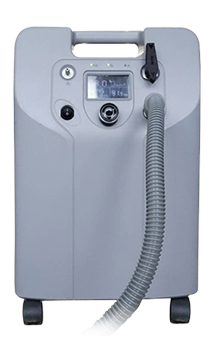
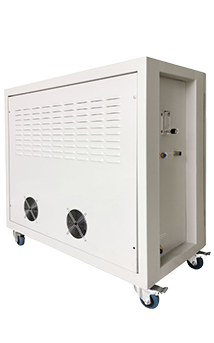
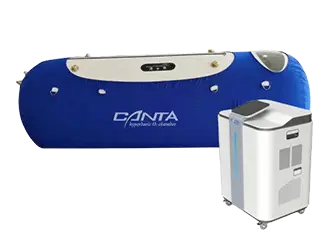
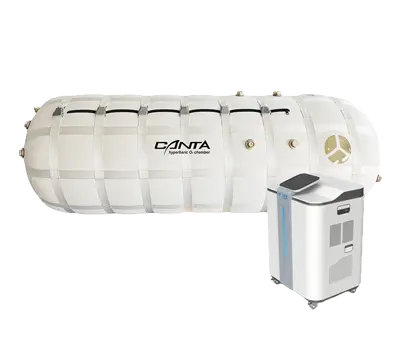
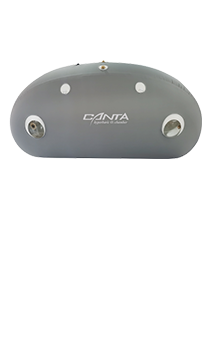
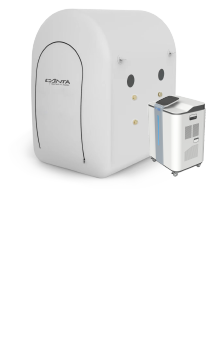
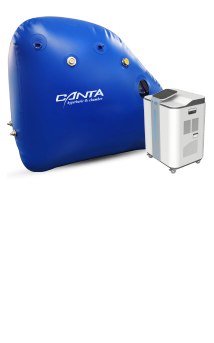
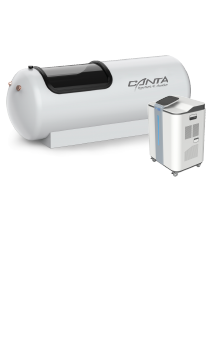
Within individualized immune-metabolic response windows, using short-term, controlled, non-pharmacological interventions to slow immune aging may become an important strategy for healthy aging in the future. Canta is bringing this strategy into practical applications. Guided by the principles of safety, efficacy, and comfort, Canta offers the YFZ, YXJ, and other series of hyperbaric oxygen chambers, with operating pressures of up to 2.0 ATA. Unlike the relatively limited oxygen delivery provided through headset-based oxygen inhalation, Canta hyperbaric oxygen chambers are designed for use with a medical-grade BIBS approach, enabling oxygen to be delivered under increased pressure. When advances in science can be incorporated into everyday health practices, the future of healthy aging becomes more tangible - moving from the laboratory toward real-world applications.
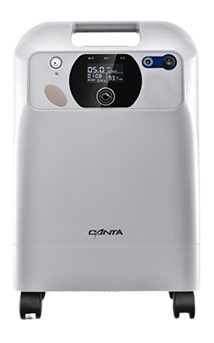
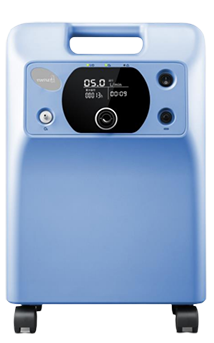
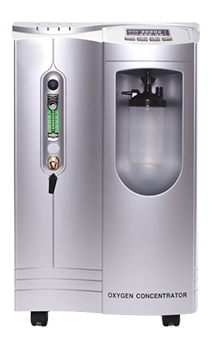
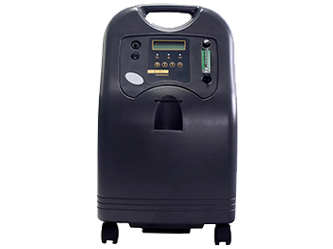
Popular Canta Oxygen Equipment for Sale