EN
EN  ja
ja  ko
ko  fr
fr  de
de  es
es  it
it  ru
ru  pt
pt  ar
ar  tr
tr  th
th  da
da  fa
fa  pl
pl  ro
ro  hu
hu  el
el  af
af 

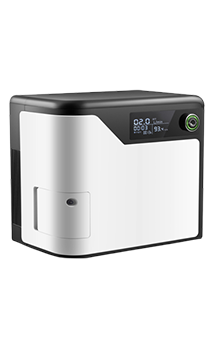
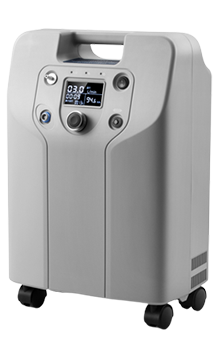

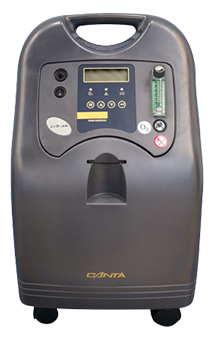
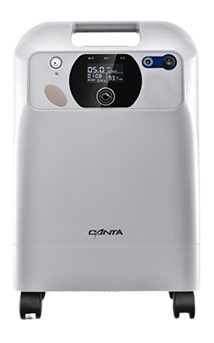
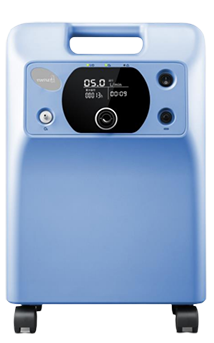
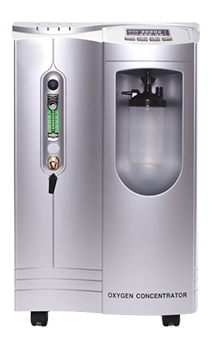
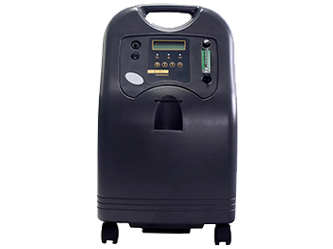
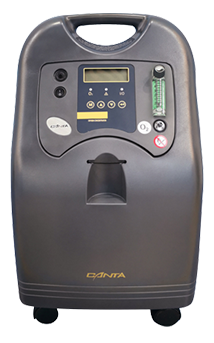
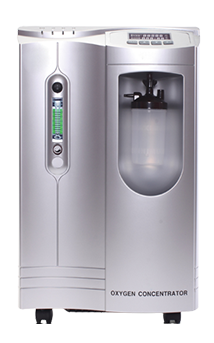


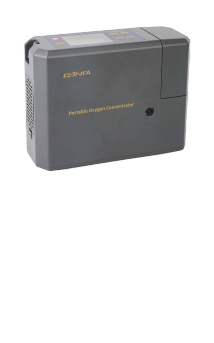


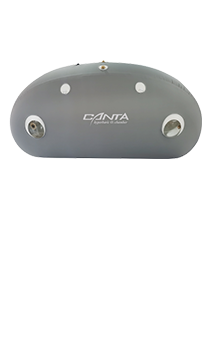
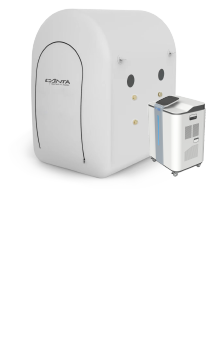
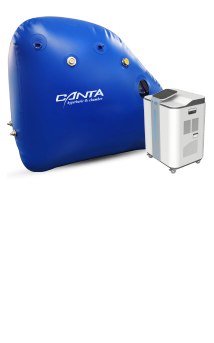



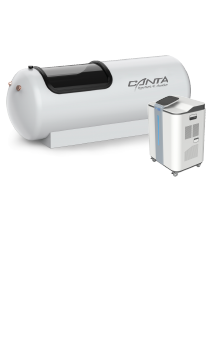



Many people equate hyperbaric oxygen therapy (HBOT) with ordinary oxygen supplementation, viewing it merely as an anti-fatigue and cosmetic treatment for improving sleep and enhancing skin radiance. But these represent only some of the most superficial changes that may occur in the body. From the perspectives of molecular medicine and physiology, what exactly does hyperbaric oxygen therapy repair?
Cellular Regulation: Awakening the Body's Innate Healing Mechanisms
A common misconception is that hyperbaric oxygen therapy (HBOT) simply "forces oxygen into the body". But its real value goes far beyond raising blood oxygen levels. By altering the body's oxygen partial pressure, HBOT can influence intrinsic cellular signaling pathways and help restore disrupted processes involved in metabolism, inflammation control, and tissue regeneration.
Chronic sleep deprivation, prolonged psychological stress, and irregular eating and lifestyle habits can gradually push the body toward a state of low-grade chronic inflammation and subtle tissue hypoxia. This may suppress genes involved in cellular repair, leaving cells in a prolonged state of compensatory stress and metabolic exhaustion. The elevated dissolved-oxygen environment created during HBOT can modulate key signaling molecules, including ROS, HIF-1α, and Nrf2, helping activate multiple downstream repair pathways and interrupt the cycle of chronic physiological stress.
Activating Anti-Inflammatory: HBOT can help regulate major pro-inflammatory pathways, reduce excessive inflammatory signaling, alleviate chronic systemic inflammation, and ease prolonged inflammatory stress at the cellular level.
Promoting Tissue Regeneration: HBOT can increase the expression of repair-associated proteins, including vascular endothelial growth factor (VEGF) and nerve growth factor (NGF), creating a more favorable environment for cellular recovery and tissue regeneration.
Enhancing Antioxidant Defense: HBOT can strengthen the body's endogenous antioxidant defense system, helping control oxidative stress and reduce cellular damage associated with oxidative stress.
In essence, HBOT is not designed to address just one symptom. Rather, it works by influencing the mechanisms that govern cellular stress, adaptation, and repair — helping the body transition from a prolonged state of "chronic wear and tear" toward a state of "active self-repair".
Repairing the Microcirculation: Rebuilding the Pathways for Oxygen Delivery
The microcirculatory system is where oxygen, nutrients, and metabolic waste are exchanged between the blood and tissues. When peripheral capillaries become constricted, narrowed, impaired, or obstructed, tissue oxygen delivery can be compromised. This subtle form of hypoxia may contribute to fatigue, dull-looking skin, and reduced metabolic efficiency. HBOT can improve the microcirculation through both functional and structural mechanisms.
First, Hbot can support red blood cell deformability and improve microvascular blood flow, helping oxygen reach peripheral tissues through narrow or compromised vessels. Second, in areas affected by ischemia or tissue damage, increased oxygen partial pressure can stimulate angiogenic responses and support the formation of functional new blood vessels. Over time, this can contribute to increased microvascular density and help rebuild the local oxygen-supply network. These mechanisms have been explored in both preclinical and clinical research and may be particularly relevant to tissues experiencing persistent oxygen insufficiency.

Repairing the Energy Core: Optimizing Mitochondrial Metabolism Function
Mitochondria are commonly referred to as the "powerhouses of the cell". They are responsible for consuming the majority of the body's oxygen at rest and play a central role in producing ATP, the primary energy currency used by cells. Mitochondrial performance therefore has a direct impact on cellular activity and energy metabolism. When conventional atmospheric oxygen encounters tissues affected by impaired microcirculation or subtle hypoxia, oxygen delivery may become insufficient. This can impair mitochondrial function, decrease the efficiency of oxidative phosphorylation, and limit ATP production. Over time, this may contribute to persistent fatigue, metabolic dysfunction, and accelerated cellular decline.
The core target of hyperbaric oxygen therapy is precisely the damaged mitochondria. By increasing ambient pressure, HBOT substantially increases the amount of oxygen dissolved directly in the plasma, reducing reliance on hemoglobin-mediated oxygen transport and allowing oxygen to diffuse farther into tissues. This can help restore oxygen availability to hypoxic cells and support normal mitochondrial energy metabolism. Regular and properly administered hyperbaric oxygen therapy can effectively reduce chronic oxidative damage, support the repair of mitochondrial structure, and improve cellular energy metabolism, thereby helping alleviate hypoxia-related fatigue.
From Oxygenation to Systemic Repair
The core value of hyperbaric oxygen therapy extends far beyond the superficial anti-aging and anti-fatigue effects commonly associated with it. HBOT represents a multifaceted approach that connects gene regulation, microcirculatory remodeling, and cellular energy metabolism. By physically increasing tissue oxygen partial pressure, HBOT can trigger responses across multiple levels—from molecular signaling and cellular regulation to tissue repair. Through the regulation of pathways associated with hypoxia, inflammation, oxidative stress, and tissue repair, HBOT may help address chronic physiological damage and support the body’s intrinsic repair capacity. Ultimately, the deeper significance of HBOT lies in creating the conditions that allow the body's deeper repair and recovery mechanisms to function more effectively.
Popular Canta Oxygen Equipment for Sale