EN
EN  ja
ja  ko
ko  fr
fr  de
de  es
es  it
it  ru
ru  pt
pt  ar
ar  tr
tr  th
th  da
da  fa
fa  pl
pl  ro
ro  hu
hu  el
el  af
af 

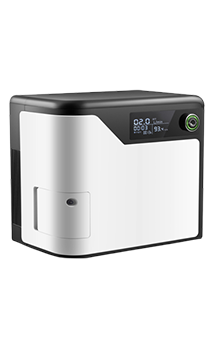
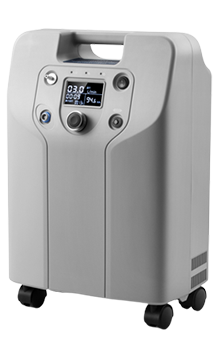

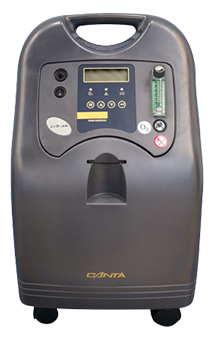
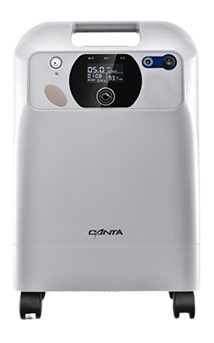


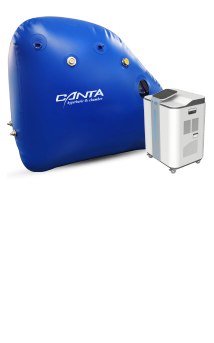


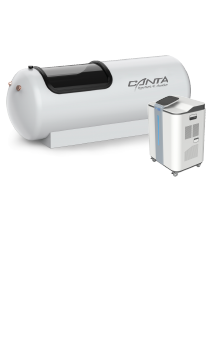

When considering hyperbaric oxygen therapy (HBOT), the question many people are most concerned about is: How long does it take to see results from HBOT? The answer to this question is not straightforward, as there is no standard “timeline for results.” The speed at which results appear depends primarily on two key factors: What condition are you treating? And was treatment initiated early enough? By understanding these two points, you’ll gain a clear understanding of the timeline for HBOT results.
Disease Treatment: Recovery Time Varies by Condition
When hyperbaric oxygen therapy is used to treat a medical condition, the speed at which it takes effect is closely related to the severity of the acute condition.
Acute Conditions: Effects May Be Immediate
For acute ischemic-hypoxic injuries, hyperbaric oxygen therapy can rapidly correct tissue hypoxia and save lives. For example, in the emergency treatment of acute carbon monoxide poisoning or hydrogen sulfide poisoning, patients who receive prompt HBOT often regain consciousness within approximately 2 hours, while many related symptoms may improve significantly or disappear within about 3 days. In these emergencies, treatment outcomes are often measured in hours rather than days.
Chronic or Post-Traumatic Sequelae: Results Build Over Time
For chronic injuries or conditions that require tissue repair, the benefits of HBOT are progressive rather than immediate, but are gradually accumulated through multiple, regular treatment courses. Chronic issues such as fracture healing, diabetic foot, and traumatic brain injury (TBI) sequelae may require 2–3 treatment courses or even more before the effects become gradually evident. Think of HBOT as building a house: every session lays another brick in the foundation of recovery. Completing a sufficient number of HBOT treatment courses with patience is essential for achieving the desired results.

The Earlier the HBOT Treatment, the Better the Results
Regardless of the type of condition, the earlier hyperbaric oxygen therapy (HBOT) begins, the better the outcome. Early intervention is one of the key principles of HBOT, as the timing of treatment can significantly influence the maximum therapeutic benefit.
Bone Fractures: Patients who begin HBOT within 3 days after surgery have reported healing rates as high as 92.3%. When treatment is delayed beyond 7 days postoperatively, the healing rate may decrease significantly to around 40.0%.
Severe Traumatic Brain Injury: Patients who receive HBOT within 30 days of injury generally achieve significantly better long-term recovery outcomes than those who begin treatment more than 30 days after injury.
Stroke: HBOT is generally recommended to initiate treatment as early as possible, within the first 3–6 hours after symptom onset, to maximize preservation of the ischemic penumbra.
Daily Wellness: Focus on Long-Term Maintenance
In addition to treating medical conditions, hyperbaric oxygen therapy has become increasingly popular in the field of wellness, such as for improving sleep quality, relieving fatigue, and enhancing post-exercise recovery. Unlike medical conditions, these wellness applications do not rely on a “golden window”. They are not a one-time miracle cure, but rather a form of cellular-level maintenance that requires cumulative care.
Simply put: for acute conditions, hyperbaric oxygen therapy may produce rapid results; however, for chronic conditions, patients must patiently complete the full course of treatment; and for wellness and preventive care, regular and consistent therapy delivers the greatest long-term benefits. No matter the goal, one principle remains the same: starting early and completing a sufficient number of sessions is always the best way to achieve optimal results.
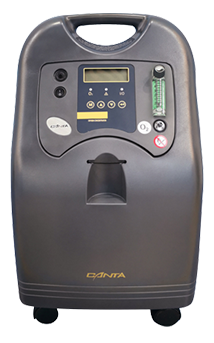
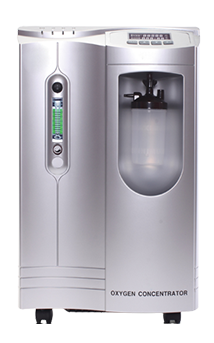
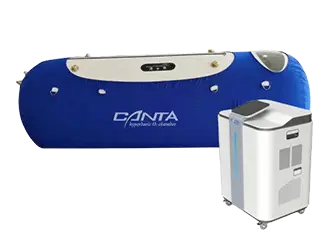
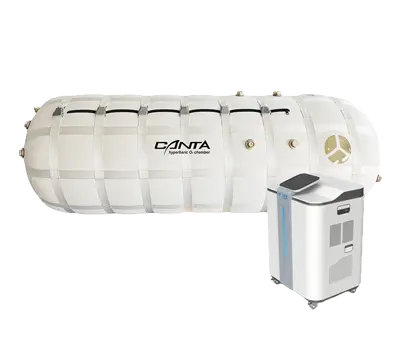
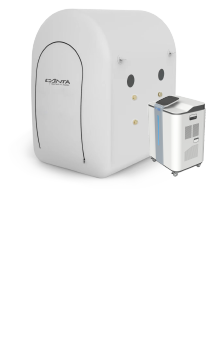
Popular Canta Oxygen Equipment for Sale