EN
EN  ja
ja  ko
ko  fr
fr  de
de  es
es  it
it  ru
ru  pt
pt  ar
ar  tr
tr  th
th  da
da  fa
fa  pl
pl  ro
ro  hu
hu  el
el  af
af 





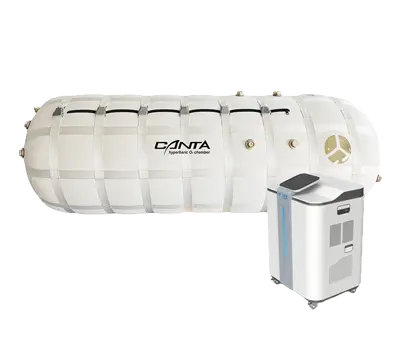



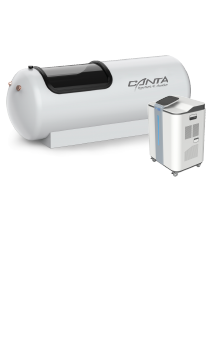

As people increasingly pursue health and a high quality of life, hyperbaric oxygen therapy is gradually moving from the professional sphere into the public eye. Whether for treating specific medical conditions, aiding in sports recovery, or improving suboptimal health, hyperbaric oxygen chambers have demonstrated unique value.
However, when ordinary people encounter these sealed hyperbaric chambers, they generally have one question on their minds: How long can a person actually stay inside?
The answer to this question is not a fixed number; it depends on the treatment objective, the pressure inside the chamber, and the doctor's professional treatment plan. Generally speaking, however, a single hyperbaric oxygen therapy session typically lasts 90 to 120 minutes.
Hyperbaric Oxygen Therapy Is Divided into Three Stages:
Stage 1: Pressurization (approximately 20–30 minutes)
Once you enter the hyperbaric oxygen chamber, the internal pressure will slowly increase from 1 atmosphere (i.e., the normal atmospheric pressure we experience in daily life). This process is similar to the climb during an airplane takeoff; you may feel a sensation of pressure or fullness in your ears, much like when water enters your ears while swimming. At this point, the medical staff will instruct you to perform actions such as swallowing, yawning, or pinching your nose and blowing gently to equalize the pressure in your ears; the discomfort will subside quickly.
Stage 2: Stabilized Pressure Oxygenation (approximately 60–80 minutes)
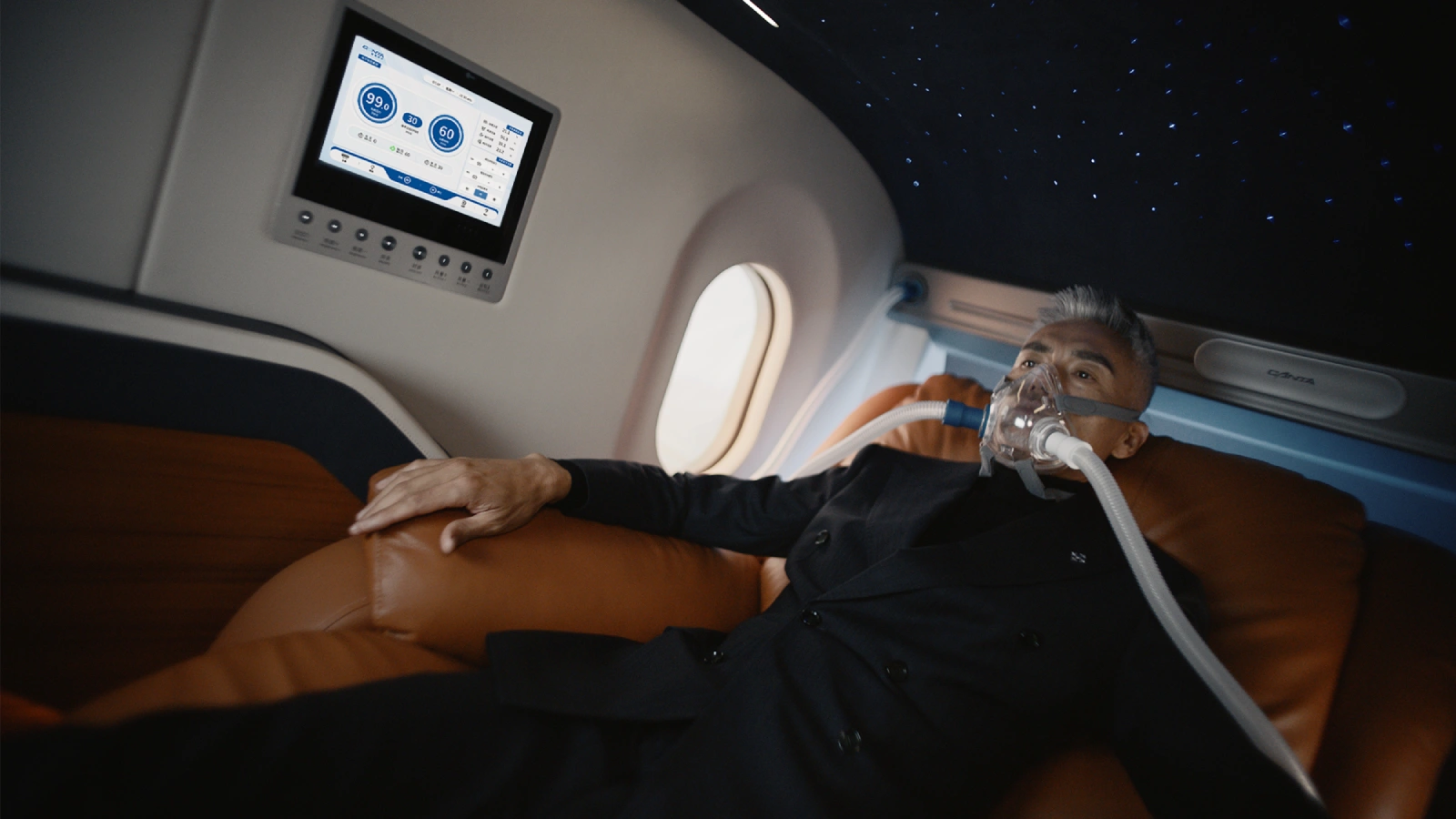
Once the pressure stabilizes at the target level required for treatment (typically 1.4 to 3 atmospheres), the core phase of the treatment begins. You will wear a specially designed mask to breathe pure oxygen in the high-pressure environment. This is the critical stage that determines the duration of treatment; the 60–80-minute oxygenation period widely used in clinical practice is a scientifically validated safe window.
Stage 3: Decompression (approximately 20–30 minutes)
After the treatment ends, the pressure inside the chamber will slowly return to atmospheric pressure. This process is similar to an airplane landing; the temperature inside the chamber will drop slightly, and you may put on clothing to stay warm. However, it is especially important not to hold your breath at this time; simply maintain normal breathing to allow excess nitrogen in your body to be released smoothly.
Why Can't Oxygen Therapy Be Extended Indefinitely?
Since oxygen therapy is beneficial, why not continue it for a little longer? There are two main reasons:
1. The Risk of Oxygen Toxicity
This is the primary concern. In a high-pressure environment, prolonged exposure to high-concentration oxygen can lead to toxicity in the central nervous system or the lungs. It's a case of "too much of a good thing"—while the right amount of oxygen is the fuel of life, too much can become "poison". However, rest assured that within the standard treatment pressure and time ranges, oxygen toxicity is entirely preventable.
2. Risk of barotrauma
If, during pressurization or decompression, a patient's Eustachian tube becomes blocked due to a cold, nasal congestion, or other factors—preventing the middle ear from equalizing pressure with the outside environment—it may result in damage to the eardrum. This is why doctors will always ask if you have an upper respiratory infection before treatment.
In summary, there is no such thing as an unlimited stay in a hyperbaric oxygen chamber. The specific duration is not arbitrarily determined but represents the perfect balance between "efficacy" and "safety" that the medical community has refined over the past century. As a rigorous medical procedure, hyperbaric oxygen therapy must be conducted under the guidance of a qualified physician; one must not blindly pursue prolonged "deep oxygen therapy".
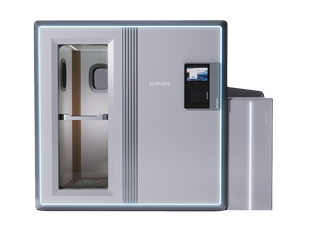
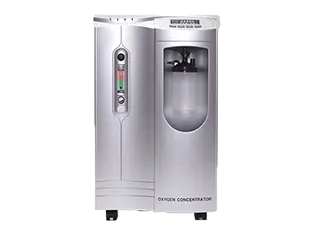
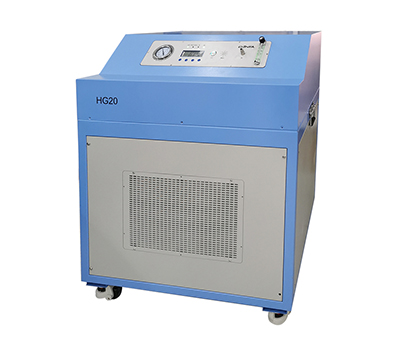
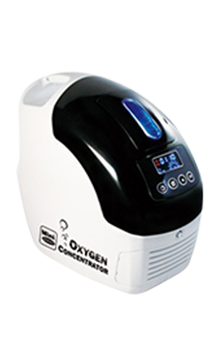
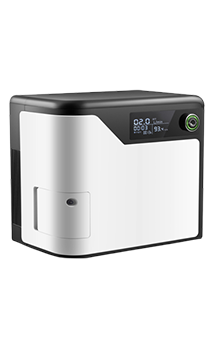
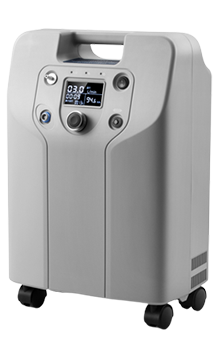
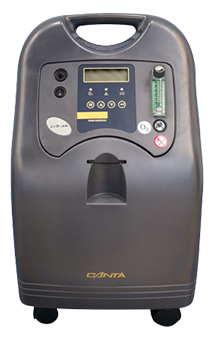
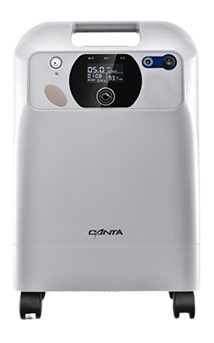
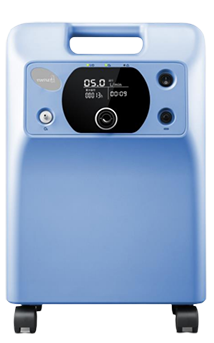
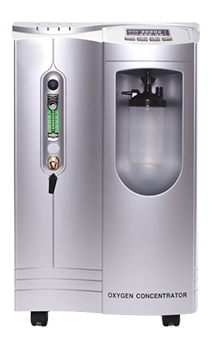
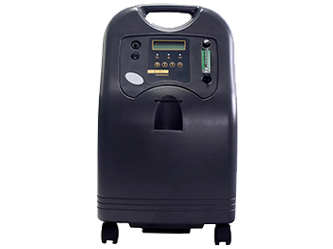
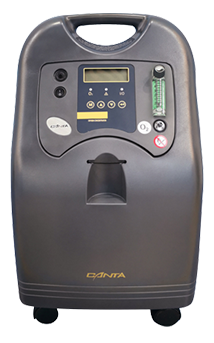
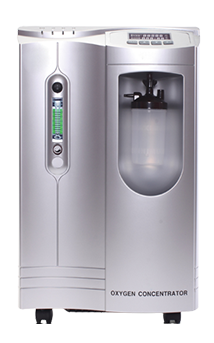
Popular Canta Oxygen Equipment for Sale