EN
EN  ja
ja  ko
ko  fr
fr  de
de  es
es  it
it  ru
ru  pt
pt  ar
ar  tr
tr  th
th  da
da  fa
fa  pl
pl  ro
ro  hu
hu  el
el  af
af 



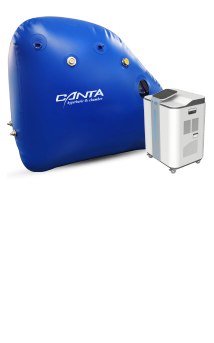



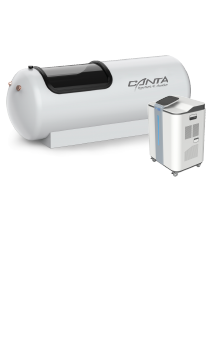

When ambient pressure changes abruptly, invisible bubbles can quietly form within the human body. From a diver’s rapid ascent to caisson and tunnel work, and even decompression in an aircraft at high altitudes, a range of situations can trigger decompression sickness (DCS). First documented in 1845, this condition has also been referred to as caisson disease and the bends. In simple terms, nitrogen that has dissolved in the body under pressure can come out of solution, forming bubbles in the blood vessels and tissues and setting off a chain of potentially serious systemic damage. One of the earliest core applications of hyperbaric oxygen therapy was to counter pressure-related emergencies such as decompression sickness.
How Decompression Sickness Develops
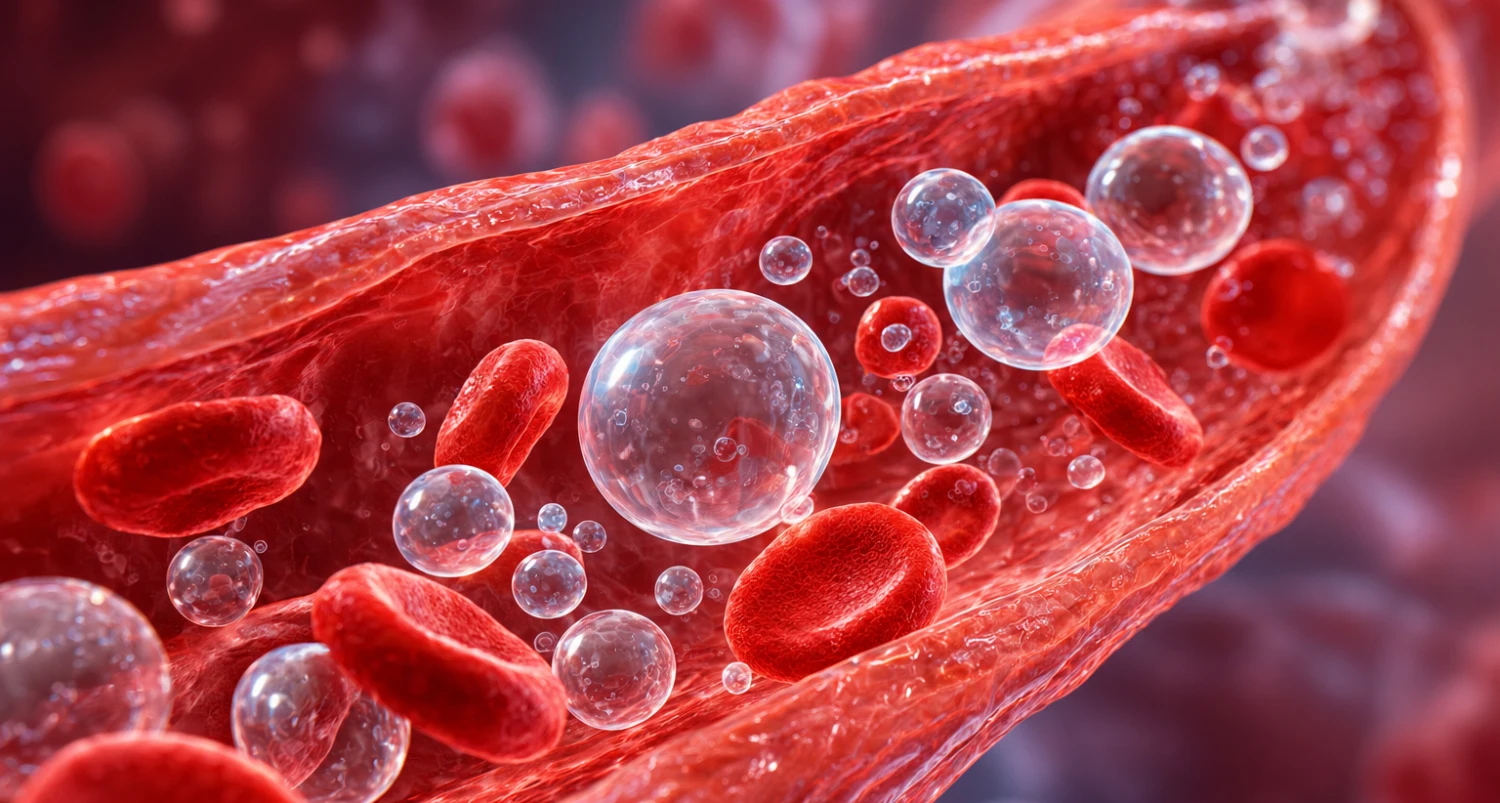
When the body is exposed to high pressure, nitrogen from the air gradually dissolves into the bloodstream and body tissues. This process known as nitrogen saturation. If the pressure drops too quickly, the body cannot remove the dissolved nitrogen through the lungs fast enough. The excess nitrogen then comes out and forms bubbles in places such as the veins, lymphatic system, fatty tissues, spinal cord, and tendons. Large numbers of bubbles can form within just seconds or minutes.
These bubbles are anything but harmless “little bubbles” inside the body. They can cause systemic injury through multiple mechanisms. When they block blood vessels, they can restrict blood flow and cause tissue ischemia and infarction. As they expand within connective tissues, they can mechanically compress nerve endings, resulting in intense pain. The bubbles can also activate platelets and trigger the release of inflammatory mediators, and in severe cases may contribute to disseminated intravascular coagulation (DIC). Meanwhile, when expanding bubbles damage or rupture cells, the release of lipid particles can further worsen embolic injury to organs throughout the body.
Clinical Features of Decompression Sickness
Clinically, approximately 90% of patients with decompression sickness initially experience severe aching pain in the joints and extremities, a classic manifestation. Some patients may develop deep skin itching accompanied by a mottled, marble-like appearance of the skin. When the condition affects the central nervous system, it can cause paraplegia and sensory disturbances. If the respiratory or circulatory systems are involved, patients may develop chest pain and shock, with severe cases potentially becoming life-threatening. Studies indicate that around 80% of patients develop symptoms within three hours after decompression, leaving a very narrow window for timely treatment.
Treatment of Decompression Sickness
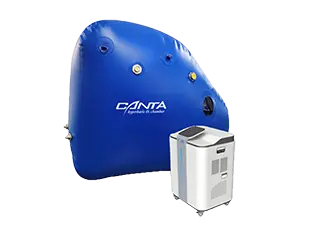
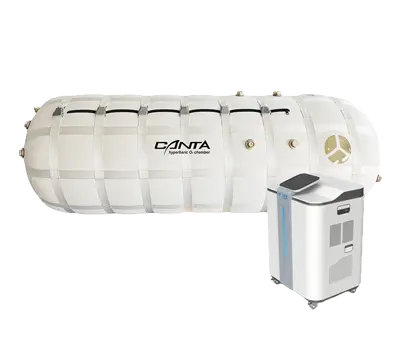
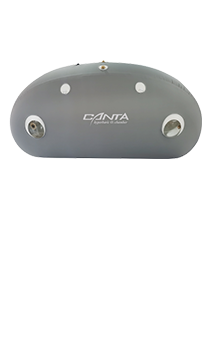
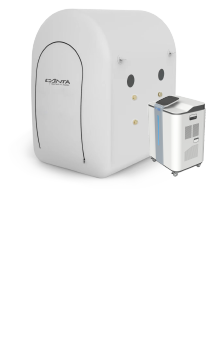
Recompression therapy is widely recognized as the primary treatment for decompression sickness. Its underlying principle is based on Boyle’s law: as pressure increases, the gas bubbles inside the body become smaller, causing the gas within the bubbles to redissolve into the blood and tissues, where it is eventually metabolized and excreted by the body, thereby resolving embolisms and relieving compression injuries. This helps relieve embolic obstruction and pressure-related tissue injury. When a dedicated recompression chamber is not available at the scene, a hyperbaric oxygen chamber can be an important emergency treatment option. Patients with severe symptoms should receive urgent hyperbaric oxygen treatment and then be transferred to a medical facility as soon as possible.
Hyperbaric oxygen therapy provides a dual therapeutic benefit. The physical effects of increased ambient pressure compress and facilitate the elimination of gas bubbles, while breathing oxygen at high partial pressures rapidly improves oxygen delivery to hypoxic and injured tissues, promotes vasoconstriction, reduces capillary leakage and edema, and helps interrupt the vicious cycle of microcirculatory failure. Clinically, Type I and Type II decompression sickness are distinguished, and different oxygenation and pressurization-depressurization regimens are prescribed accordingly. The cure rate for mild Type I decompression sickness using hyperbaric oxygen therapy can reach 98%.
Time is key to prognosis, and clinical retrospective studies clearly confirm this: for acute spinal cord decompression sickness, initiating hyperbaric therapy within 2 hours of onset results in a 100% cure rate; if treatment is initiated between 2 and 8 hours after onset, the cure rate drops to 33.3%; and if intervention occurs more than 24 hours after onset, the mortality rate rises to 28.6%. Even for patients who present late, it is not medically advisable to forgo hyperbaric oxygen therapy altogether; instead, the treatment pressure may be moderately increased and the duration of treatment extended.
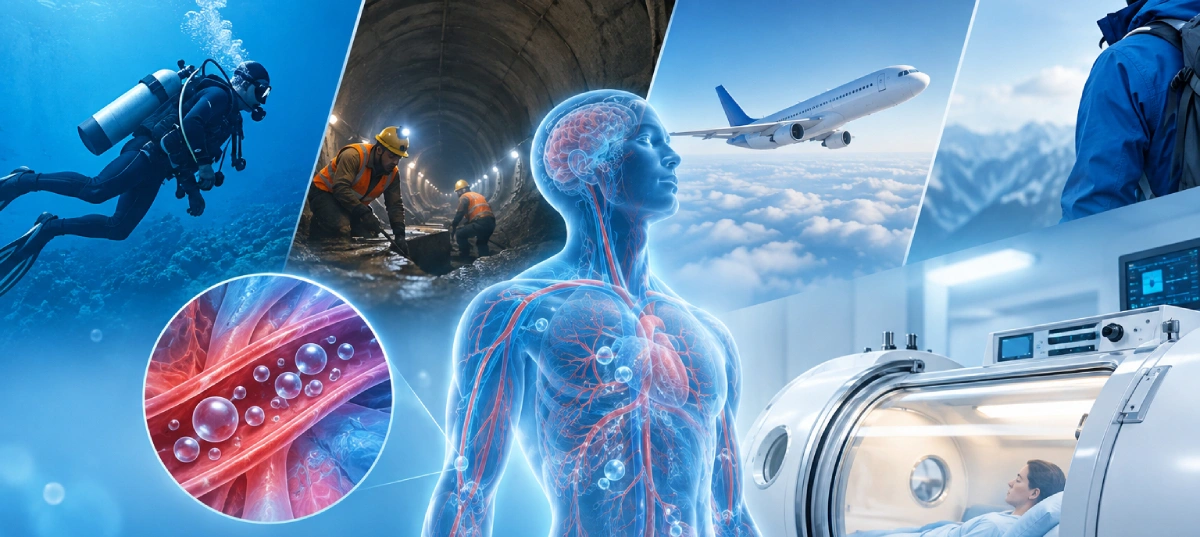
Decompression sickness is no longer a condition seen only among professional divers. As recreational diving becomes increasingly popular and caisson work expands alongside subway and tunnel construction, decompression sickness is no longer simply a niche occupational disease. Being over 40, obesity, underlying heart or lung conditions, physical exhaustion, and alcohol intoxication can all increase the risk. Today, hyperbaric oxygen therapy is being explored not only for healthy aging and tissue repair, but also as a powerful emergency tool when lives are at risk. Its role in treating acute medical conditions underscores the important place of hyperbaric oxygen therapy in modern medicine.
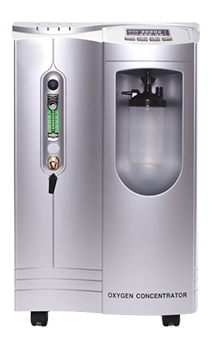
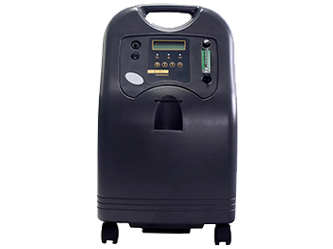
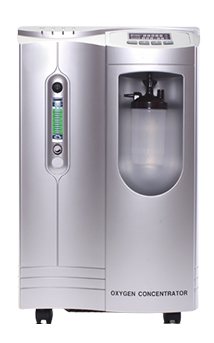
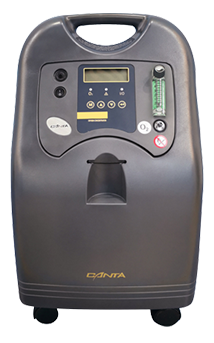
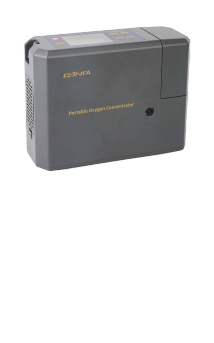
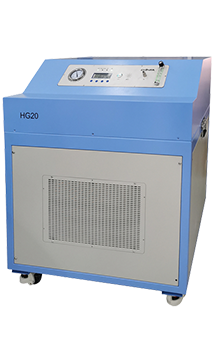
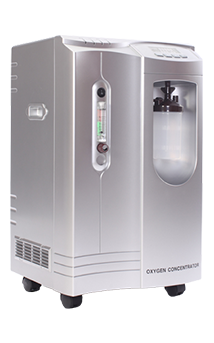
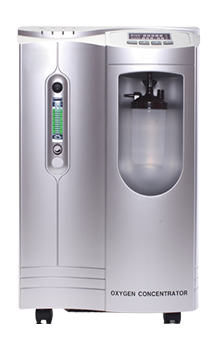
Popular Canta Oxygen Equipment for Sale