EN
 ja
 ko
 fr
 de
 es
 it
 ru
 pt
 ar
 tr
 th
 da
 fa
 pl
 ro
 hu
 el
 af




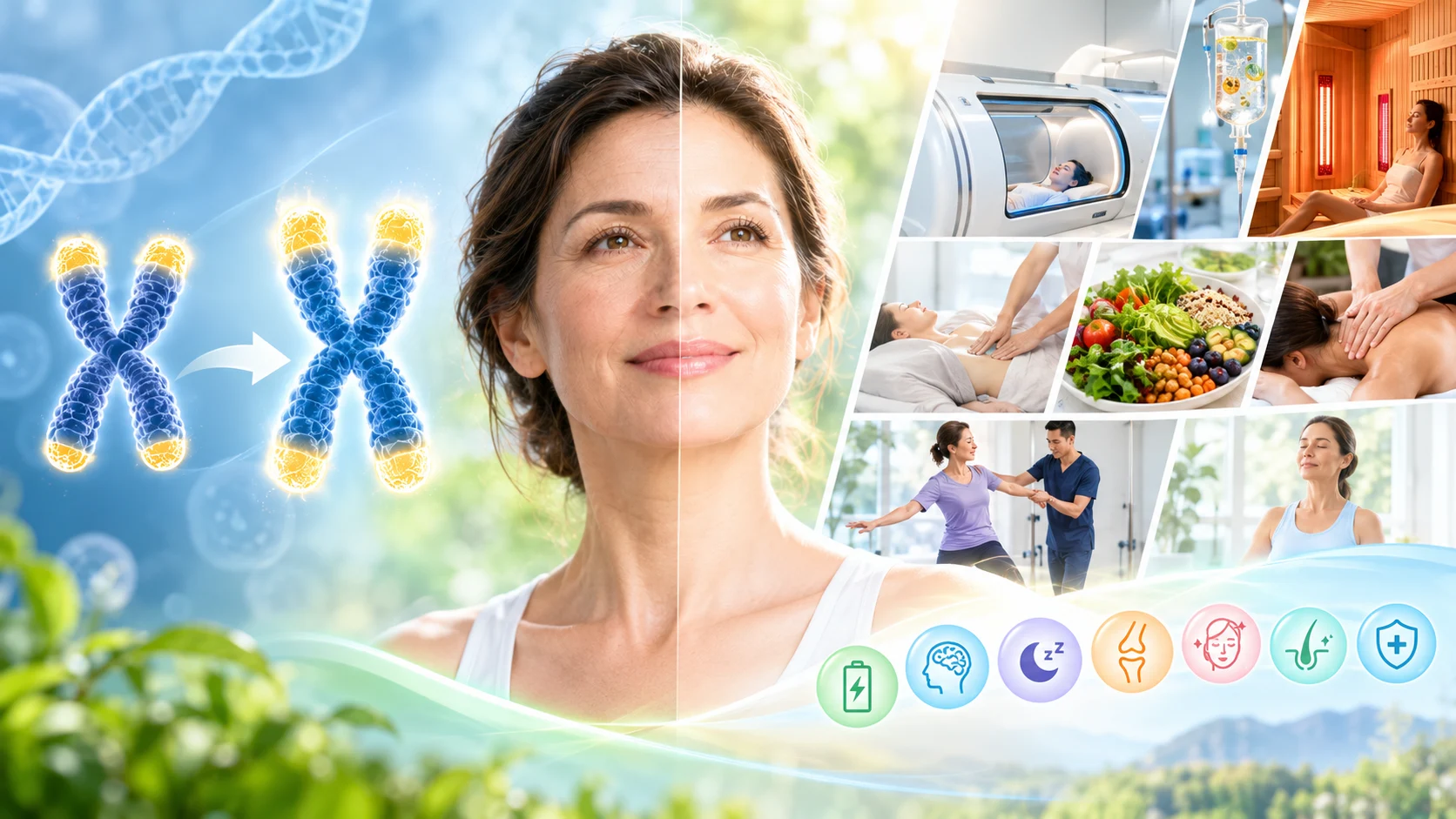
Telomeres are often referred to as the “countdown clock of life.” With each cell division, telomeres become shorter. When telomeres become too short, they are closely linked to cellular aging and age-related diseases. A study conducted in collaboration between KLS Health Institute in Mumbai, India, and Neurogen Annexe Hospital has reported encouraging results. After just 7 days of Anti-aging Integrative Therapy, participants experienced longer telomeres, a lower biological age, and significant improvements in how they felt and perceived the signs of aging.
Research Design of Anti-aging Integrative Therapy
The study involved 36 adults between the ages of 40 and 85, including 24 women and 12 men. Many participants had common age-related health conditions, including hypertension, diabetes, and hypothyroidism. Over seven days, participants followed a comprehensive anti-aging integrative therapy program that combined multiple wellness and therapeutic approaches:
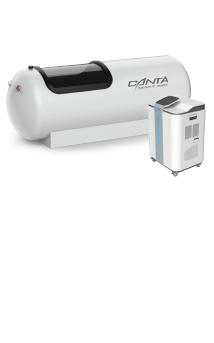
- Hyperbaric Oxygen Therapy (HBOT): 10 sessions, 60 minutes each, at 1.3-1.8 ATA with 100% oxygen;
- Ozone Therapy: 7 sessions delivered through rectal, ear, and ozonated oil inhalation methods;
- Colon Hydrotherapy: 1 session, plus 2 enema treatments;
- Intravenous Micronutrient Therapy: 1 session;
- Supportive Therapies: 1 infrared sauna session, 1 ozone sauna session, 7 massage therapy sessions, and 6 rehabilitation training sessions;
- Personalized Nutrition: A customized anti-inflammatory vegetarian diet throughout the program.
Blood samples were collected on Days 1 and 7. Telomere length in peripheral blood mononuclear cells (PBMCs) was assessed using RT-PCR, and biological age was calculated.
Research Findings on Anti-Aging Integrative Therapy
Telomere Length: 97.22% of participants (35 out of 36) showed significant telomere lengthening (p = 0.025). On average, telomeres increased by 0.43 ± 0.30 kbp, with the largest increase reaching 1.4 kbp. Only one participant showed no change.
Biological Age: 94.44% of participants (34 out of 36) experienced a reduction in their estimated biological age (reported p = 0.000). The average decrease was 3.8 ± 3.08 years, while the greatest individual reduction reached 17 years. Only two participants showed no improvement.
Aging-Related Symptoms: The research evaluated 14 symptoms, including low energy, memory difficulties, mood fluctuations, sleep disturbances, joint pain, skin laxity, and hair loss. Improvement rates reached 100% for energy levels, muscle cramps, gastric hyperacidity, and dry skin. Other reported improvement rates included exertional dyspnea (88.89%), joint pain (88%), and abdominal bloating (90.91%). Relatively moderate improvement rates were observed for skin laxity (45.83%), urinary incontinence (69.23%), and hair loss (63.64%). No serious adverse events were observed throughout the study.
The Role of Hyperbaric Oxygen Therapy in Research
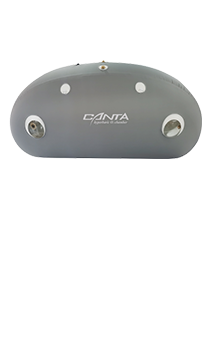
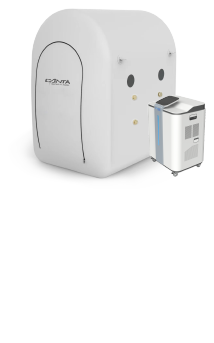
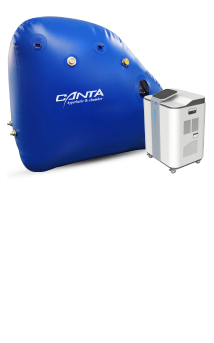
Although this research did not investigate hyperbaric oxygen therapy (HBOT) as a standalone intervention, HBOT was one of the most frequently administered and time-intensive components of the treatment protocol, with 10 sessions of 60 minutes each over seven days. Together with ozone therapy, colon hydrotherapy, intravenous micronutrient supplementation, sauna sessions, massage therapy, rehabilitation training, and an anti-inflammatory vegetarian diet, HBOT formed part of a comprehensive anti-aging intervention.
From a mechanistic perspective, HBOT may activate various protective pathways through the hyperoxic-hypoxic paradox, such as HIF, NRF2, and stem cell mobilization. These mechanisms may influence inflammation, cellular senescence, and tissue repair, potentially intersecting with several key hallmarks of aging.
The research reported longer telomeres, lower estimated biological age, and noticeable improvements in self-reported aging-related symptoms, with no serious adverse events observed. Although these outcomes cannot be attributed to HBOT alone, the findings suggest that HBOT may represent a valuable component of multimodal anti-aging strategies. Looking ahead, combining HBOT with targeted nutrition, metabolic support, lifestyle changes, and regenerative therapies could open new possibilities for supporting healthier aging and longevity.
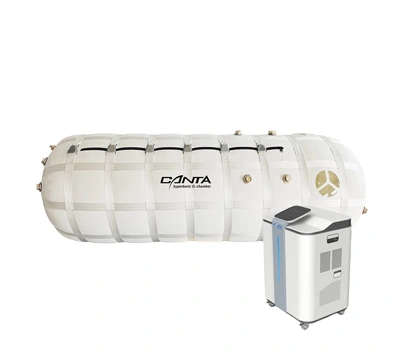
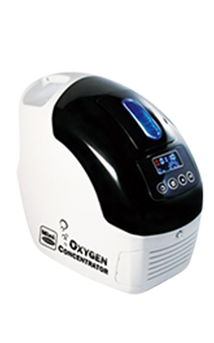
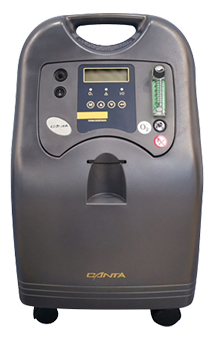
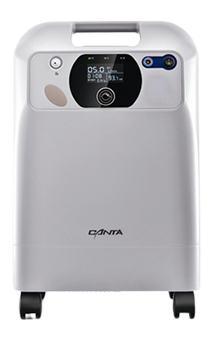
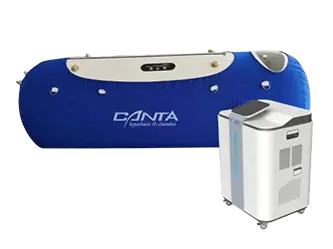
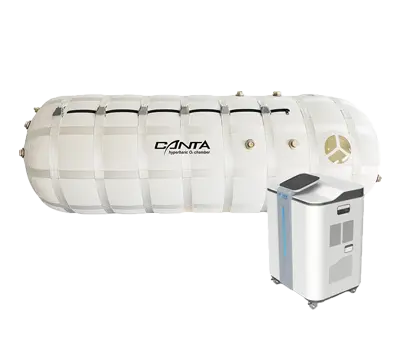
Popular Canta Oxygen Equipment for Sale