EN
EN  ja
ja  ko
ko  fr
fr  de
de  es
es  it
it  ru
ru  pt
pt  ar
ar  tr
tr  th
th  da
da  fa
fa  pl
pl  ro
ro  hu
hu  el
el  af
af 



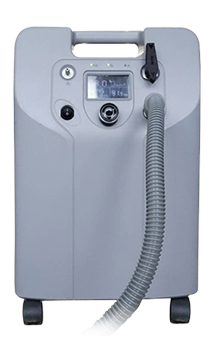
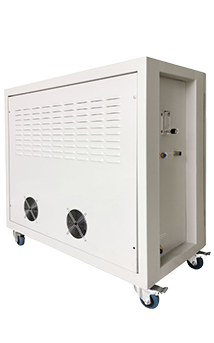
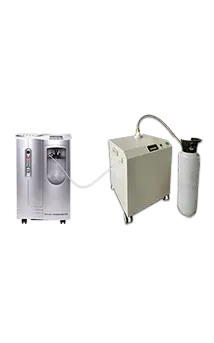
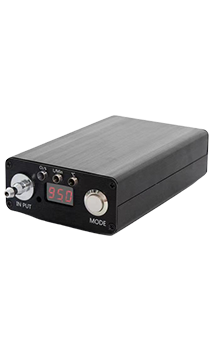

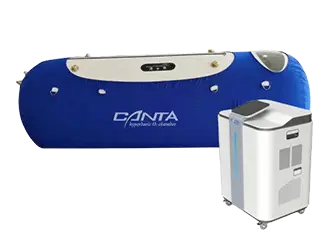
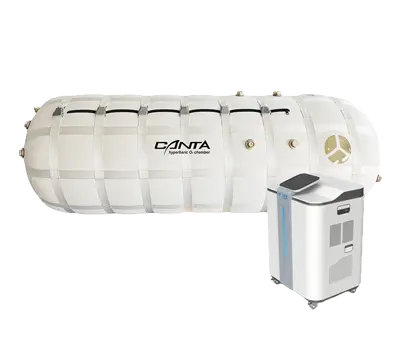
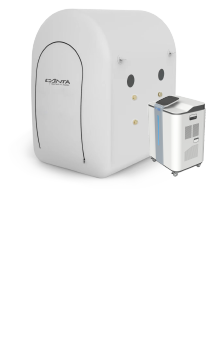
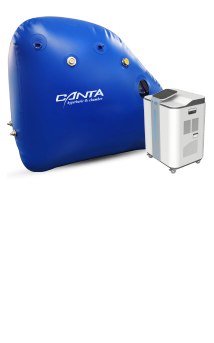


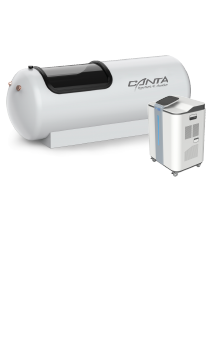
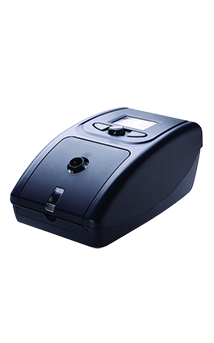
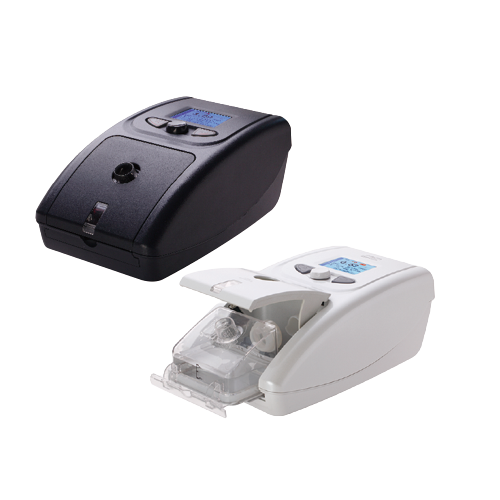
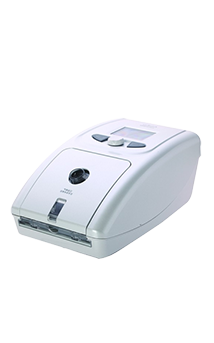

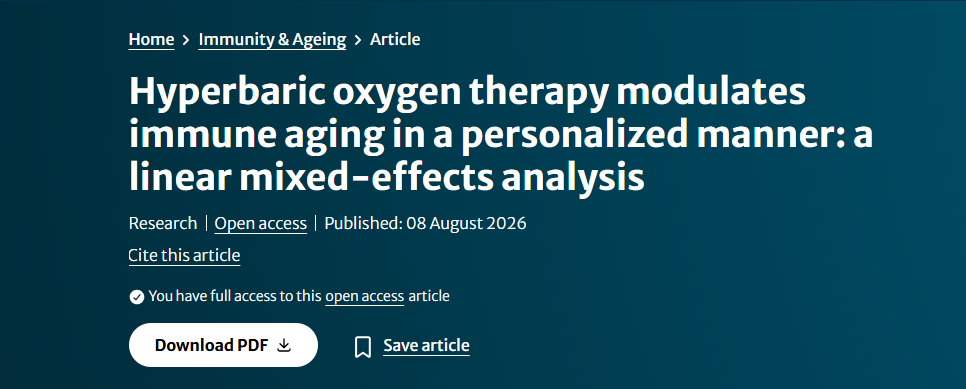
In August 2026, the research paper Hyperbaric oxygen therapy modulates immune aging in a personalized manner: a linear mixed-effects analysis, jointly conducted by Shenyang Haigui Medical Technology Co., Ltd., China Medical University, and the First Hospital of China Medical University, was published in Immunity & Ageing, a leading journal in the field of immunology of aging under Springer Nature.
The study investigated how short-term hyperbaric oxygen therapy may influence the biological processes associated with immune aging. Based on data from a large clinical cohort, the researchers comprehensively assessed its effects on multiple dimensions of immune aging, including telomere length, senescent T-cell subsets, and inflammatory biomarkers. The study also identified variations in treatment responses among different population groups, highlighting the potential importance of individualized approaches. These findings offer further scientific evidence for exploring the role of hyperbaric oxygen therapy in anti-aging applications.
Research Background: Exploring New Intervention Pathways for Immune Aging
Immune aging is one of the core hallmarks of biological aging, characterized by progressive telomere shortening, the accumulation of senescent T-cells, and chronic low-grade inflammation. These changes not only impair the body’s immune surveillance capacity but are also closely associated with a range of age-related diseases.
Hyperbaric oxygen therapy (HBOT) has long been utilized in the treatment of conditions including wound healing, ischemic injury, and decompression sickness. In recent years, growing scientific interest has focused on its potential applications in healthy aging and anti-aging interventions. Nevertheless, much of the existing research has centered on specific disease populations or prolonged treatment protocols, while evidence regarding the systemic impact of short-term HBOT and variations in treatment response among different populations remains limited. Against this background, the study was designed to comprehensively assess the effects of short-term hyperbaric oxygen therapy on multiple biomarkers associated with immune aging, while further examining the extent to which individual characteristics influence therapeutic responses.
Key Findings: Three Major Clinical Outcomes
A total of 136 individuals were recruited, of whom 100 adults between 20 and 79 years of age met the inclusion criteria and were included in the final analysis. Participants received a standardized hyperbaric oxygen therapy protocol, with peripheral blood samples collected at four time points—baseline, after 10 sessions, after 20 sessions, and after 30 sessions—to enable longitudinal assessment. The study identified three major findings:
1. Dose-Dependent Telomere Lengthening Effect
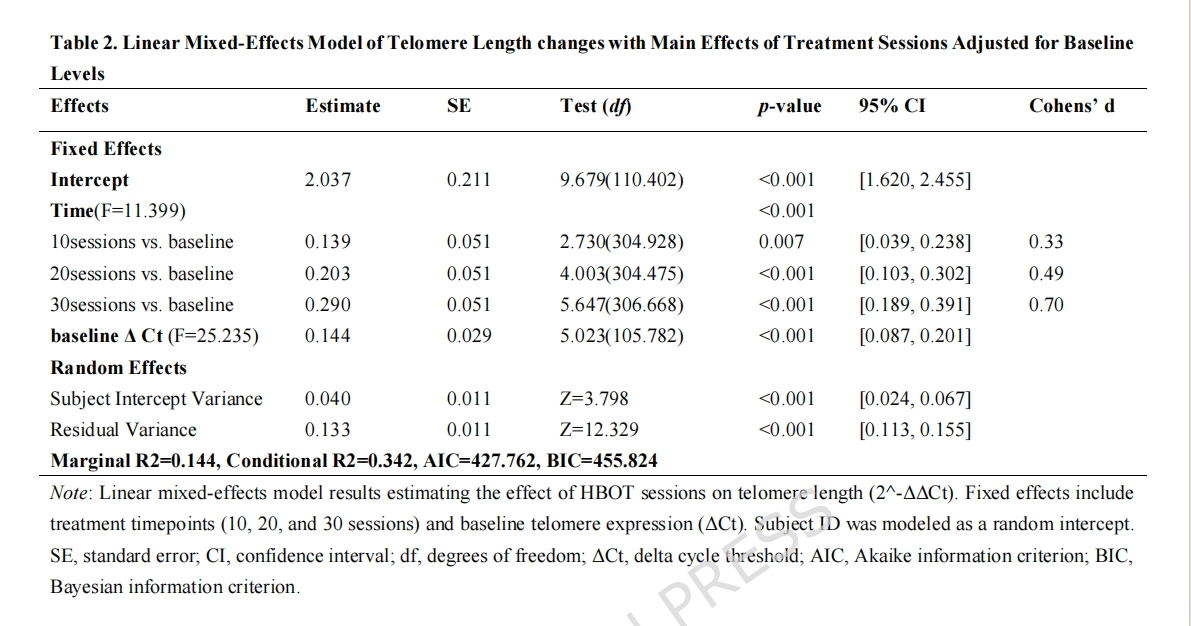
Short-term HBOT was associated with a significant increase in telomere length in peripheral blood mononuclear cells (PBMCs), with the magnitude of the effect increasing progressively with the number of treatment sessions. After 30 treatment sessions, relative telomere length was 29.0% higher than at baseline (p < 0.001, d = 0.70). This association remained statistically significant after adjustment for age, sex, and BMI, and the effect was consistently observed across different demographic subgroups.
2. Targeted Modulation of Senescent T-Cell Subsets
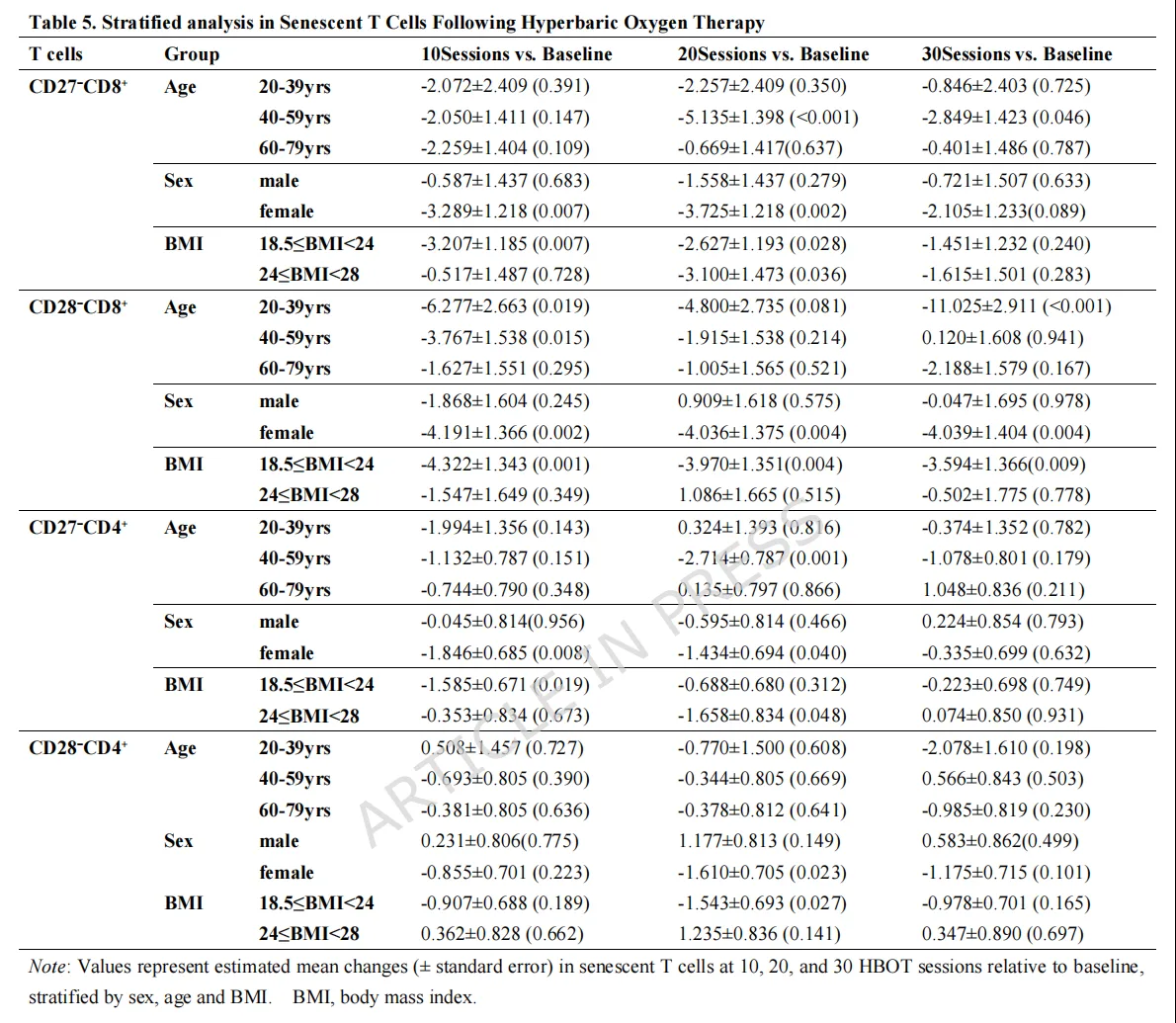
HBOT significantly reduced the proportion of senescent T-cell subsets, particularly CD28⁻CD8⁺ and CD27⁻CD8⁺ T cells. In the 20–39-year-old group, 30 treatment sessions resulted in an 11.025% reduction in CD28⁻CD8⁺ T cells compared with baseline (p < 0.001). Furthermore, with regard to the regulation of senescent T-cell populations, individuals with different characteristics demonstrated distinct patterns of benefit from the intervention.
3. Early Reduction in Inflammatory Markers
The study also identified an early regulatory effect on inflammatory biomarkers. Levels of inflammatory factors, including TNF-α and IL-1β, began to decline during the early stages of the intervention. Among male participants, the reduction in inflammatory cytokines reached as high as 65%.
Scientific Innovation: Building a New Systematic Research Framework
Compared with earlier international studies on the anti-aging potential of hyperbaric oxygen therapy, including research conducted in Israel, this study developed a more comprehensive and rigorous research framework.
First, a more comprehensive evaluation framework. Under a unified short-term intervention protocol, the study simultaneously monitored three key dimensions of immune aging - telomere length, two phenotypes of senescent T-cells, and major inflammatory factors - enabling continuous evaluation of changes throughout the treatment process and providing a more complete picture of the effects of HBOT on immune aging. Second, a more robust analytical approach. By incorporating the interactions between treatment duration and individual characteristics—including age, sex, and BMI—the analytical model was able to better identify differences in individual responses to HBOT. This provides a stronger foundation for exploring personalized intervention strategies and adapting treatment approaches to specific population characteristics. Third, wider population applicability. The study included a broad adult cohort ranging from 20 to 79 years of age, distinguishing it from previous research that primarily focused on smaller, older populations. This broader age distribution makes the findings more applicable to anti-aging scenarios in the general population.
The publication of these research findings in an internationally recognized journal provides strong evidence for the scientific foundation of hyperbaric oxygen therapy in anti-aging and offers authoritative data to support the development of personalized and precision-oriented healthy aging strategies worldwide. It represents a significant breakthrough in the field of hyperbaric oxygen and immune aging research. Building on its relatively large sample size, multidimensional evaluation strategy, and broad adult population coverage, this research establishes a more comprehensive data framework. It may serve as a valuable reference for future studies investigating underlying mechanisms, treatment-response quantification, and precision-oriented clinical applications in the field.
Committed to evidence-based research and scientific rigor, Canta will continue to collaborate with leading medical research teams to advance the exploration of innovative applications of hyperbaric oxygen medicine and provide stronger scientific support for the future of healthy aging.
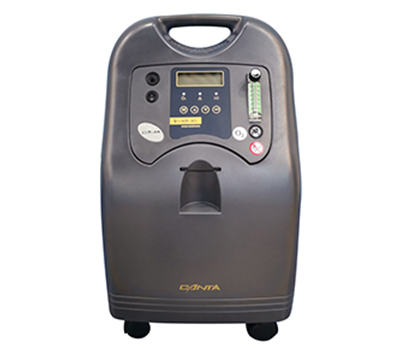
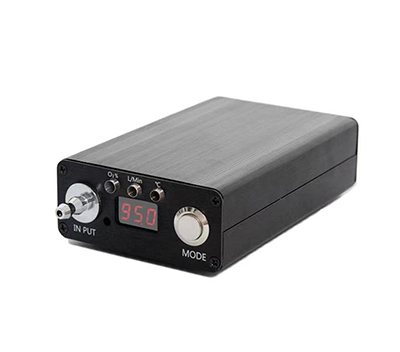
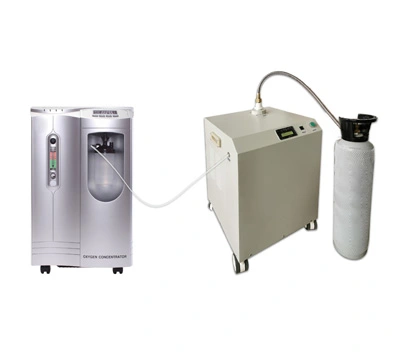
Popular Canta Oxygen Equipment for Sale