EN
EN  ja
ja  ko
ko  fr
fr  de
de  es
es  it
it  ru
ru  pt
pt  ar
ar  tr
tr  th
th  da
da  fa
fa  pl
pl  ro
ro  hu
hu  el
el  af
af 

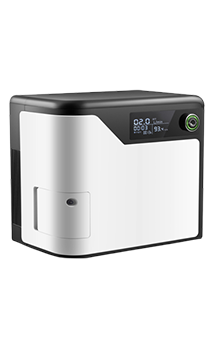
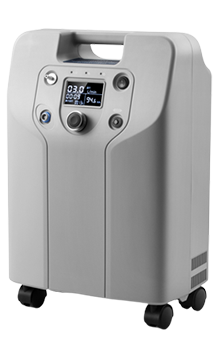

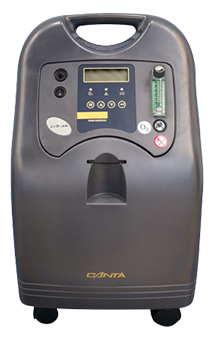
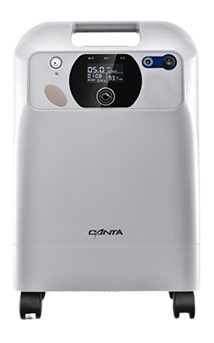
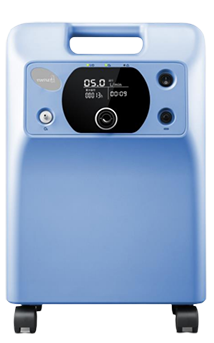
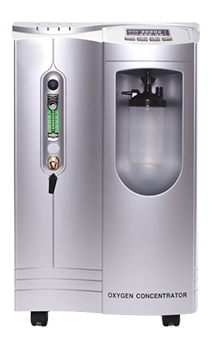
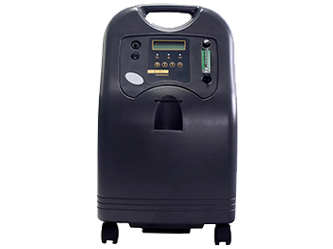
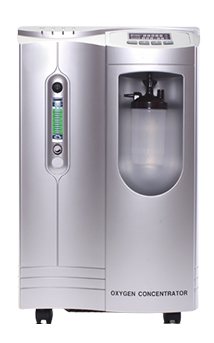
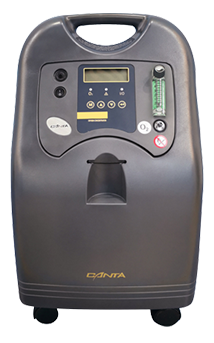
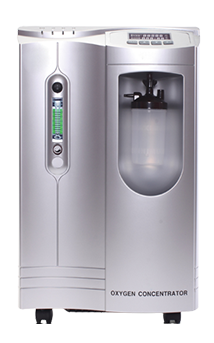
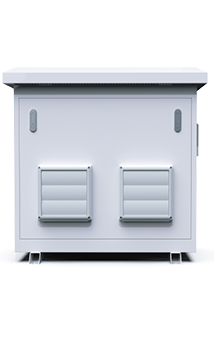


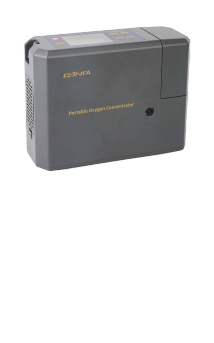
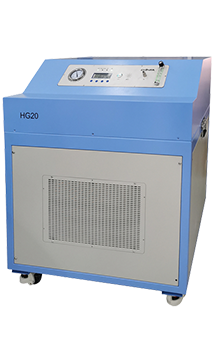
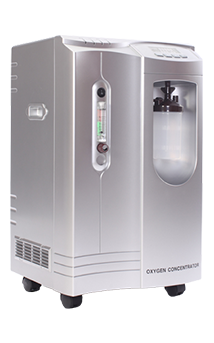
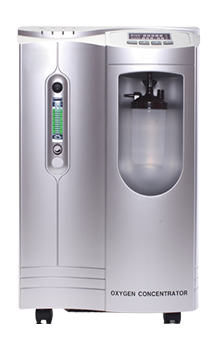
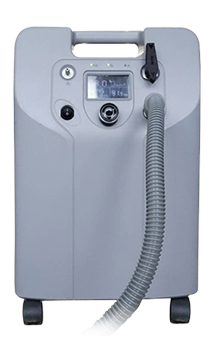
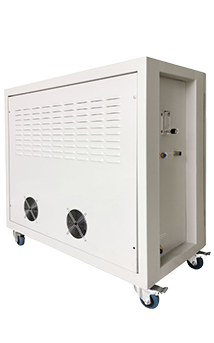
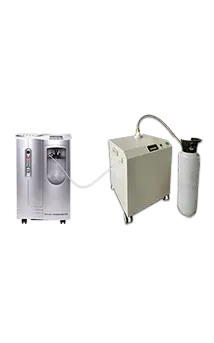
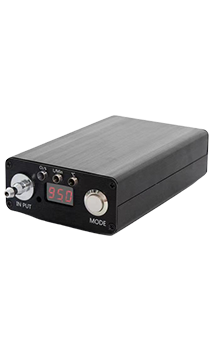
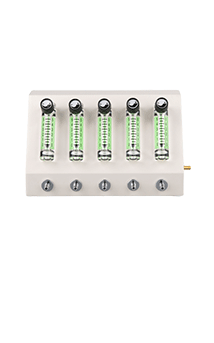
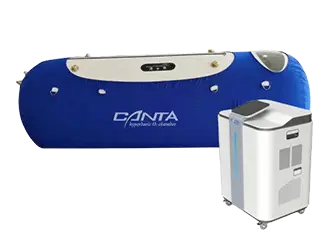
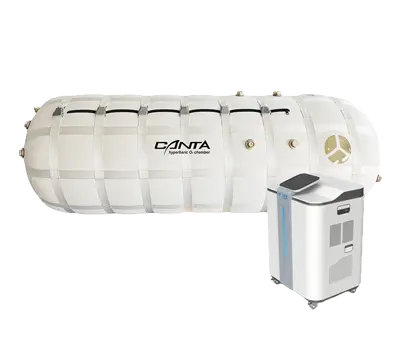
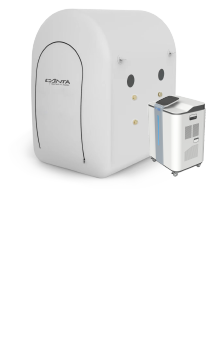
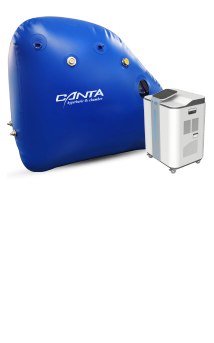
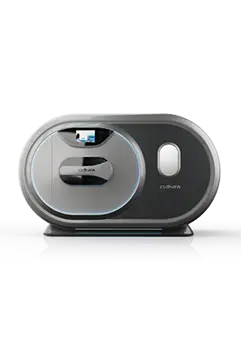


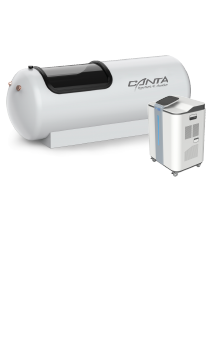
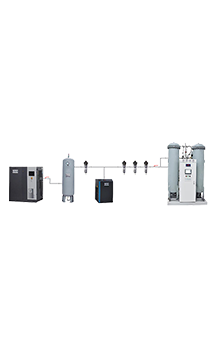

Do you think oxygen therapy is only for patients? Are you worried that using oxygen might be "addictive"? Or do you even believe that the higher the oxygen concentration, the better? These misconceptions may be quietly affecting your health.
Misconception 1: Oxygen Therapy Is a Medical Procedure, Far Removed from the Average Person
In many people's minds, oxygen tanks and oxygen concentrators are "professional medical devices" found in hospitals—life support systems for critically ill patients. Healthy people don't need oxygen.
In reality, in our daily environments—such as enclosed office buildings, cars with air conditioning running for long periods, and homes with poor ventilation—we often find ourselves in a state of mild hypoxia. The brain is the organ most sensitive to oxygen. When blood oxygen levels drop slightly, the first signs are scattered attention, impaired memory, and increased fatigue. From this perspective, oxygen therapy replenishes the body's energy expenditure and supports the brain's efficient functioning. It is a natural choice that aligns with the body's needs.
Misconception 2: Oxygen Therapy Leads to Dependency and Weakens One's Own Capabilities
Dependence refers to the need for an external substance to maintain physiological functions, with withdrawal symptoms occurring upon cessation. Oxygen is not addictive in any way; it is merely the fuel for cellular metabolism. Breathing oxygen is akin to the feeling after deep sleep or the refreshing sensation of deep breathing after exercise. It helps the body recover without altering its natural respiratory regulation mechanisms. When oxygen intake stops, the body simply returns to its original oxygen metabolism level; there is no such thing as being "unable to quit."
Misconception 3: The More Oxygen You Inhale, the Better; the Higher Purity, the More Effective
This is the misconception that warrants the most caution. The human body has a precise regulatory system for oxygen utilization. In a healthy state, there is a natural upper limit to blood oxygen saturation. Prolonged exposure to high-concentration oxygen places an unnecessary burden on the respiratory system and may even cause discomfort. Scientific oxygen supplementation relies on "moderation" and "precision", not on the principle that "more is better".
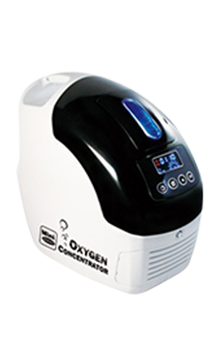
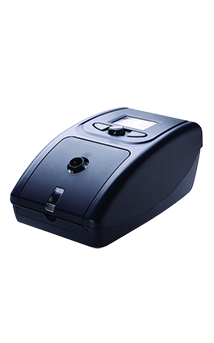
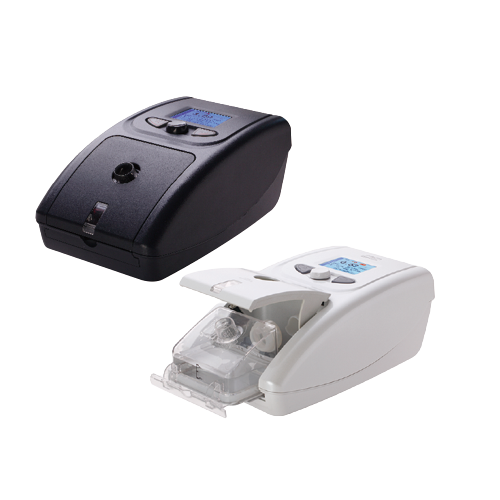
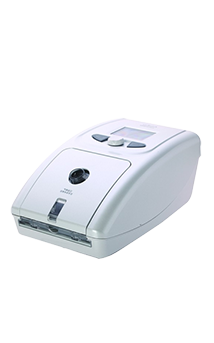
So, how can we ensure oxygen supplementation is based on science? For daily wellness—aimed at relieving fatigue and restoring energy—low flow rates and short durations are sufficient. For home oxygen therapy, choose a medical-grade oxygen concentrator capable of consistently delivering oxygen concentrations of 90% or higher.
Oxygen is the most fundamental element of life. Understanding it correctly and using it scientifically is the true way to safeguard your health.
Popular Canta Oxygen Equipment for Sale